What Side Is Your Appendix On? Location, Pain & Signs
If you’ve ever been doubled over with a stomachache and wondered whether it might be your appendix, you’re not alone. This small finger-shaped pouch sits in a place that makes it easy to blame for all kinds of abdominal pain — but most people have only a vague idea of where it actually lives. Knowing the precise spot, and how appendicitis pain behaves, can help you decide whether that ache warrants an emergency room visit or a wait-and-see approach.
Appendix Location: Lower right abdomen ·
Pain Migration: Starts central, moves right ·
Top Mimics: Ovarian cyst, kidney stones ·
Burst Risk: Within 48-72 hours untreated ·
Removal Need: Not essential for life
Quick snapshot
- Lower right abdomen where small meets large intestine (Cleveland Clinic)
- Typical length 6–10 cm, sometimes up to 20 cm (Ubie Doctor’s Note)
- Most common position: behind cecum (~65% of adults) (Ubie Doctor’s Note)
- Why a backup of stool triggers inflammation in some people but not others
- Whether dietary habits genuinely raise individual risk beyond general blockage mechanics
- Pain starts near navel → migrates to lower right over several hours → nausea follows onset (Mayo Clinic)
- Untreated appendicitis can perforate within 48–72 hours — early recognition matters most
- Appendectomy (surgical removal) is the standard treatment; recovery typically takes 2–4 weeks
The table below consolidates the most clinically significant facts across major medical sources.
| Key fact | Detail |
|---|---|
| Standard Location | Lower right abdomen attached to cecum |
| Pain Onset | Central (periumbilical) then migrates right |
| Typical Length | 6–10 cm (up to 20 cm in some cases) |
| Incidence Peak | Teens to 30s (ages 10–30) |
| McBurney’s Point | tenderness in ~80% of cases |
| Treatment | Appendectomy (surgical removal) |
What Side Is Your Appendix On?
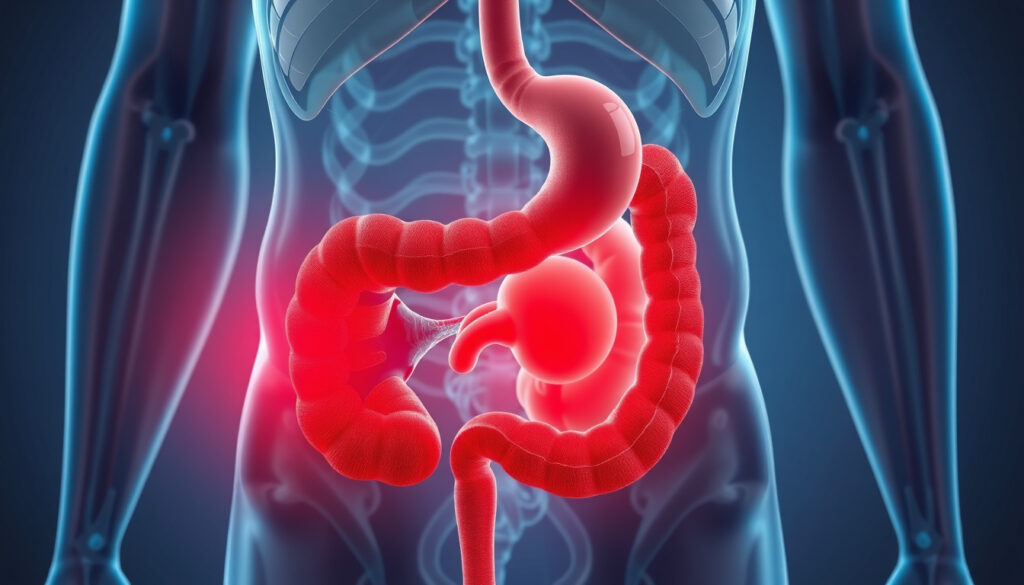
Your appendix is a narrow, finger-shaped pouch that extends from the cecum — the first section of your large intestine — in the lower right corner of your abdomen. Multiple anatomical surveys confirm this positioning across medical institutions from Cleveland Clinic to the Mayo Clinic and the UK’s National Health Service. The organ typically measures 6–10 centimeters in length, though it can reach up to 20 cm in some individuals.
Three anatomical positions account for virtually all appendix placements. The retrocecal position — tucked behind the cecum — occurs in roughly 65% of adults. A pelvic position, where the appendix hangs downward into the pelvis, accounts for about 30% of cases. A subcecal position, sitting just below the cecum, represents roughly 5% of placements. These variations matter because they directly influence where you feel pain when inflammation develops.
Appendix position in males and females
The appendix occupies the same anatomical zone in both sexes — lower right abdomen, attached to the cecum near where the small intestine meets the large intestine. However, the surrounding structures differ. In females, the right ovary and fallopian tube sit in the same neighborhood, which means conditions affecting those organs can mimic appendicitis pain and complicate diagnosis. Healthcare providers account for this overlap when evaluating female patients with lower right abdominal complaints.
Why pain might feel elsewhere
When the appendix sits in a retrocecal position, inflammation may irritate structures deeper in the abdomen rather than the abdominal wall itself, which can blunt the typical sharp tenderness. A pelvic appendix can refer pain toward the bladder or rectum, producing additional symptoms like urinary frequency or pain during bowel movements. In extremely rare cases involving situs inversus — a mirror-image body layout — the appendix appears on the left side, and pain follows suit.
Most people locating “lower right abdomen” will find their appendix, but the 30% with a pelvic appendix may experience atypical referred pain. When in doubt, have a doctor assess the full picture — imaging can pinpoint the exact position.
How Do I Know If It’s My Appendix Hurting?
Appendicitis announces itself through a distinctive pain pattern. The classic sequence starts with vague discomfort around the belly button or upper abdomen, then migrates to the lower right abdomen over a period of several hours. Cleveland Clinic describes this shift as the hallmark sign that distinguishes appendicitis from most other abdominal conditions. The pain tends to be steady and sharp once it settles in the lower right quadrant, and it typically worsens with movement, coughing, sneezing, or deep breathing.
Pain pattern progression
- Phase 1 (periumbilical onset): Vague central abdominal pain near the navel — often dismissed as indigestion or stress.
- Phase 2 (migration): Within several hours, pain shifts sharply to the right lower abdomen and intensifies.
- Phase 3 (localized inflammation): Pain becomes constant, severe, and aggravated by jarring movements.
- Phase 4 (complications): If untreated, pain may briefly improve if the appendix ruptures — a dangerous false sign followed by widespread peritonitis.
Healthdirect (Australia’s government health service) notes that pain often feels somewhat better when you draw your knees toward your chest, because this position relaxes the abdominal muscles. That relief is temporary and does not signal improvement.
Associated symptoms like nausea
Once inflammation sets in, nausea and vomiting typically follow within hours of pain onset — a sequence that Lifetime Surgical points out differs from gastroenteritis, where vomiting usually precedes abdominal pain. Loss of appetite is present in nearly all appendicitis cases. Low-grade fever (usually 37.2–38°C or 99–100.5°F) often accompanies the pain, and constipation or mild diarrhea may occur as the bowel becomes irritated.
In appendicitis, nausea follows pain. In ordinary stomach flu or food poisoning, nausea typically arrives before significant abdominal pain. This timing difference alone is not diagnostic, but it is a useful clue when combined with the migration pattern.
What Could Be Mistaken for Appendix Pain?
The lower right abdomen houses several structures beyond the appendix, and each can produce pain that closely resembles appendicitis. According to Ubie Health, the right lower quadrant also contains the terminal portion of the small intestine, the large intestine, the right ureter, and — in females — the right ovary and fallopian tube.
Common mimics like ovarian issues
- Ovarian cyst or torsion: A ruptured or twisted ovarian cyst in females produces sharp lower abdominal pain that can mirror appendicitis, often accompanied by nausea and tenderness.
- Ectopic pregnancy: A pregnancy implanted outside the uterus — usually in a fallopian tube — causes severe lower abdominal pain and is a medical emergency requiring immediate care.
- Pelvic inflammatory disease (PID): Infection of the reproductive organs produces bilateral or right-sided pain, fever, and abnormal discharge.
Kidney stones or GI problems
- Kidney stones: Wave-like pain begins in the back and radiates toward the lower abdomen and groin, often with blood visible in the urine.
- Gastroenteritis: Viral or bacterial gut infections cause crampy, widespread pain with diarrhea, and vomiting that precedes the abdominal discomfort.
- Meckel’s diverticulum: A congenital pouch in the small intestine can become inflamed and mimic appendicitis, particularly in children.
- Crohn’s disease flare: Inflammation of the terminal ileum in Crohn’s disease produces right lower quadrant pain, diarrhea, and fever.
The distinguishing factor across these conditions is the pain sequence. Appendicitis pain migrates from center to lower right and worsens with movement. Most other conditions either produce constant crampy pain unrelated to movement, or they present with prominent digestive symptoms (diarrhea, vomiting) that precede the pain.
How to Check for Appendicitis at Home?
A brief self-assessment can help you decide whether symptoms warrant professional evaluation, but it is not a substitute for medical diagnosis. Orlando Health emphasizes that imaging and physical examination by a clinician are the only reliable ways to confirm appendicitis.
Self-palpation steps
- Lie on your back in a comfortable position.
- Using the flat pads of your fingers, gently press on the lower right abdomen — about one-third of the way from your right hip bone to your belly button (McBurney’s point).
- Note whether the area is tender when you press gently.
- Suddenly release the pressure. If pain intensifies sharply when you let go (rebound tenderness), this is a significant finding.
- Observe whether coughing, walking, or deep breathing worsens the pain.
Warning signs needing ER
- Pain that starts near the navel and migrates to the lower right abdomen
- Progressive worsening pain over several hours
- Nausea or vomiting following the onset of abdominal pain
- Fever above 37.2°C (99°F)
- Rebound tenderness when pressure is released
- Pain that worsens with movement, coughing, or sneezing
If pain suddenly feels better after several hours of severe discomfort, it may signal a perforated appendix — relief from rupture, not healing. This is a surgical emergency. Do not wait to seek care.
What Side Is Your Appendix On Male?
In males, the appendix sits in the same lower right abdominal position as in females — attached to the cecum where the small intestine meets the large intestine. There is no male-specific appendix location; anatomy at this level is shared across both sexes. However, males lack the female reproductive structures in the lower right quadrant, which can make diagnosis slightly more straightforward when evaluating right-sided abdominal pain in male patients.
Males experiencing lower right abdominal pain should still consider non-appendiceal causes including kidney stones, testicular torsion (which can refer pain to the abdomen), inguinal hernia, and gastrointestinal conditions like Crohn’s disease. The classic pain migration pattern from navel to lower right remains the most reliable self-indicator of potential appendicitis regardless of sex.
What Are the Signs, Stages and Causes of Appendicitis?
Appendicitis develops when the appendix becomes inflamed, usually because something blocks the inside of the organ — most commonly a piece of hardened stool (a fecalith), but also swollen lymphoid tissue, parasites, or rarely a tumor. Once blocked, bacteria inside the appendix multiply, the wall swells, and pressure builds, eventually threatening rupture.
Early symptoms and 4 stages
- Stage 1 — Simple (catarrhal) appendicitis: Inflammation is confined to the inner lining. Pain begins around the navel with mild nausea. Symptoms may resemble indigestion.
- Stage 2 — Suppurative appendicitis: Inflammation extends through the wall. Pain migrates to the lower right abdomen and becomes constant. Fever develops.
- Stage 3 — Gangrenous appendicitis: Tissue begins dying from lack of blood flow. Fever rises, pain may initially decrease as nerves are damaged — a deceptive sign.
- Stage 4 — Perforated appendix: The wall ruptures, releasing intestinal contents into the abdomen. Sudden severe pain followed by widespread peritonitis is life-threatening.
Causes like blockage, burst risks
The most common cause of appendicitis is a blockage of the internal opening of the appendix, usually by a fecalith — a hard piece of stool that calcifies over time. Swollen lymphoid tissue from a recent infection, parasites such as pinworms, or foreign bodies can also cause blockage. Once blocked, the appendix fills with mucus and bacteria, its wall thins under mounting pressure, and perforation typically occurs within 48–72 hours of symptom onset if left untreated.
Do you need your appendix?
The appendix is considered a vestigial organ — a remnant from human evolution that no longer serves an essential function. People living without their appendix face no significant long-term health consequences. Some research suggests the appendix may play a minor role in gut immunity and as a reservoir for beneficial gut bacteria, but these functions are not critical, and removal (appendectomy) is the standard treatment when appendicitis occurs. Recovery from laparoscopic appendectomy typically takes 2–4 weeks.
What the experts say
“Sudden pain that begins around the belly button and often shifts to the lower right belly.”
— Mayo Clinic (authoritative medical institution)
“It starts in the middle of your stomach, near your belly button… eventually, it becomes worse and shifts to your lower right abdomen.”
— Cleveland Clinic (medical authority)
“Pain that usually starts in the middle and then moves to the lower right side, worsening with movement or coughing.”
— NHS (UK government health service)
“McBurney’s point tenderness refers to sharp pain when pressure is applied to a specific spot about one-third of the way from the hip bone to the navel on the right side.”
— Lifetime Surgical (surgical care provider)
Related reading
- Harvard Health — Appendix pain: Could it be appendicitis?
- Cleveland Clinic — Appendicitis
- Healthdirect — Appendicitis symptoms and treatment
- Ubie — Pain in lower right abdomen: causes
Related reading: Appendix location in right lower quadrant · Pain in lower right abdomen causes
The appendix resides in the lower right abdomen, where pain often starts near the navel before localizing, as this appendix anatomy guideexplains in detail.
Frequently asked questions
What causes appendicitis?
Appendicitis is usually caused by a blockage inside the appendix — most often a hardened piece of stool called a fecalith. Once blocked, bacteria multiply, the appendix swells, and pressure builds until the wall threatens to rupture. Other causes include swollen lymphoid tissue, parasites, or in rare cases tumors.
What causes your appendix to burst?
An untreated appendix typically ruptures within 48–72 hours of symptom onset. The rupture occurs when mounting pressure from inflammation and bacterial buildup exceeds the structural integrity of the appendix wall. Once rupture occurs, intestinal contents spill into the abdominal cavity, causing peritonitis — a surgical emergency.
Do you need your appendix?
No. The appendix is a vestigial organ with no essential function in modern humans. People who have their appendix removed (via appendectomy) experience no significant long-term health consequences. Some research suggests it may play a minor role in gut immunity and as a bacterial reservoir, but these functions are not critical to health.
What are the six pains you should never ignore?
While different sources categorize “never ignore” pains slightly differently, sudden severe abdominal pain — especially when it migrates from the center of the abdomen to one specific area like the lower right — is consistently listed. Other red-flag pains include chest pain radiating to the arm or jaw, the worst headache of your life, sudden testicular pain, and severe back pain with numbness. When in doubt about any sudden, intense, or worsening pain, seek medical evaluation.
Can appendix pain occur on the left side?
Almost never under normal anatomy. In the extremely rare condition called situs inversus — where internal organs are mirrored from their standard positions — the appendix sits on the left side and appendicitis pain follows that mirror pattern. In standard anatomy, isolated left-sided abdominal pain is far more likely to stem from conditions like diverticulitis, kidney stones, ovarian issues, or constipation.
What are appendicitis early symptoms?
Early appendicitis typically begins with vague periumbilical pain around the navel, loss of appetite, and mild nausea. Within several hours, pain migrates to the lower right abdomen and becomes constant and sharp. Nausea and vomiting follow pain onset (unlike stomach flu where vomiting precedes pain). Low-grade fever, constipation, or mild diarrhea may develop as inflammation progresses.
What are the 4 stages of appendicitis?
Stage 1 (simple/catarrhal): Inflammation is limited to the inner lining, with periumbilical pain and mild nausea. Stage 2 (suppurative): Infection spreads through the wall, pain shifts to the lower right abdomen and becomes constant with fever. Stage 3 (gangrenous): Tissue begins dying from compromised blood supply; fever rises and pain may temporarily diminish as nerves are destroyed. Stage 4 (perforated): The appendix ruptures, releasing bacteria into the abdomen and causing sudden severe pain followed by widespread peritonitis — a life-threatening emergency.
More related posts
 Matt Le Tissier: Sky Sports Exit, Penalty Record, Family Drama
 Diana Mosley: Life, Imprisonment, and the Prettiest Mitford Sister
 Patricia Arquette & Nicolas Cage: Marriage, Downfall & Oscar
 Round Dining Table for 4 – Ideal Sizes and Space Guide
 It’s All Her Fault: Where to Watch, True Story & Reviews
 Space NK Covent Garden: Guide to London’s Beauty Store
 How Do You Spell: Tips for English Words and Names
 Charlie Cooper Movies and TV Shows: Complete Filmography
