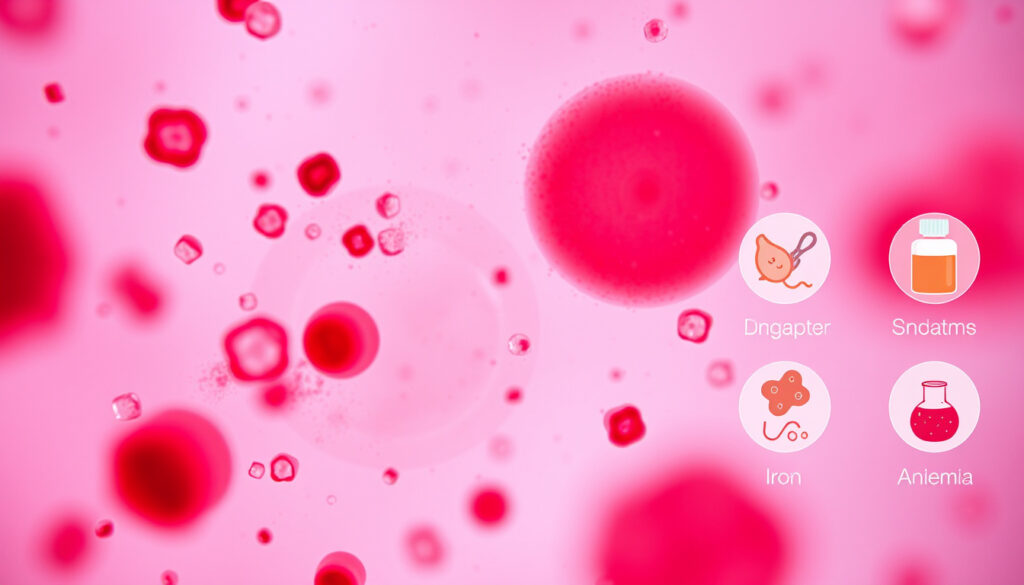
Low Red Blood Cell Count: Causes, Symptoms & Fixes
Feeling constantly wiped out, breathless climbing stairs, or noticing your skin looks a little paler than usual? These aren’t just signs of a busy week—they’re the body’s way of waving a red flag about red blood cells. A low count can sneak up on you, and the reasons behind it range from dietary shortfalls to conditions worth discussing with a doctor.
Definition: Low levels of healthy red blood cells or hemoglobin · Common Symptoms: Fatigue, weakness, shortness of breath · Top Cause: Iron deficiency · Treatment Option: Iron tablets for deficiency · Associated Condition: Anemia
Quick snapshot
- Iron deficiency is the most common cause per Mayo Clinic
- Fatigue is the primary symptom of anemia per American Cancer Society
- Exact cancer risk cannot be assessed without blood tests and medical evaluation
- Specific numerical RBC thresholds vary by lab reference ranges
- NIH published anemia prevention guidance in January 2014 per NIH News in Health
- Healthline’s RBC guide updated January 22, 2025 per Healthline
- Treatment focuses on addressing the underlying cause—supplements, diet changes, or medical intervention (Mayo Clinic)
- Pregnant people face higher risk of iron deficiency anemia without supplementation per Mayo Clinic
The table below summarizes the key medical parameters for identifying and addressing low red blood cell count.
| Label | Value |
|---|---|
| Medical Term | Anemia |
| Key Component | Hemoglobin shortage |
| Test Indicator | Low RBC or hematocrit |
| Common Fix | Iron tablets |
Is a low red blood count serious?
Whether a low red blood cell count signals something minor or something that needs attention depends largely on what’s causing it and how long it’s been going on. NIH News in Health defines anemia as a condition where the body lacks enough healthy red blood cells, or those cells are short on hemoglobin—the iron-rich protein that carries oxygen to tissues. Left unchecked, even mild anemia can leave you feeling winded doing ordinary tasks, while severe cases strain the heart and cause complications.
Severity levels
Anemia ranges from a temporary, easily corrected shortfall to a persistent problem tied to chronic illness. Iron deficiency anemia—the most common type, according to Mayo Clinic—often responds well to dietary changes or supplements. But anemia stemming from bone marrow disorders, chronic kidney disease, or cancer requires targeted medical treatment.
When to seek medical help
See a doctor if you experience persistent fatigue, shortness of breath during routine activities, heart palpitations, or dizziness that doesn’t resolve with rest. Cleveland Clinic notes that certain anemias like aplastic anemia are rare but life-threatening and demand prompt evaluation.
What causes low red blood cell count?
The body makes red blood cells constantly, so when the count drops, something is either slowing production, increasing destruction, or causing ongoing loss. Mayo Clinic identifies several broad categories.
Iron deficiency
Iron deficiency remains the leading cause of low RBC count worldwide. Without adequate iron, bone marrow cannot produce enough hemoglobin for red blood cells, resulting in iron deficiency anemia. This gap commonly stems from diets low in heme-iron foods, heavy menstrual bleeding, pregnancy, or conditions like celiac disease that impair nutrient absorption.
The recommended dietary allowance for iron is 18 mg daily for females aged 19–50 and 8 mg daily for males in the same age range, according to Healthline. Most people can meet these targets through food alone—but gaps are common in restrictive diets.
Vitamin shortages
Beyond iron, the body needs vitamin B12 and folate to produce healthy red blood cells. B12 deficiency—common in people who follow vegan diets without fortified foods or have absorption issues—leads to macrocytic anemia where RBCs grow abnormally large and ineffective. Cleveland Clinic explains that folate deficiency causes similar problems, and both are preventable with proper nutrition or supplementation.
Chronic diseases
Long-term conditions disrupt RBC production indirectly. Mayo Clinic notes that kidney disease reduces erythropoietin—a hormone that signals bone marrow to make red blood cells. Autoimmune inflammation, cancer, and chronic infections like HIV/AIDS also trigger anemia of chronic disease by altering iron metabolism and bone marrow function.
Blood loss from surgery, ulcers, colon cancer, or heavy menstrual periods progressively depletes iron stores and RBC supply. Bone marrow disorders including leukemia, lymphoma, and aplastic anemia directly impair the factory where red blood cells are born.
Chemotherapy and radiation therapy commonly cause low RBC in cancer patients because these treatments target fast-growing cells—including the healthy ones in bone marrow, per Virginia Oncology Associates. This is why anemia monitoring is standard during cancer treatment.
What are low red blood cell count symptoms?
Symptoms develop gradually as oxygen delivery to tissues declines, and the body tries to compensate by making the heart work harder. American Cancer Society lists the most common warning signs.
Early signs
- Extreme tiredness and fatigue that doesn’t improve with rest
- Feeling weak, especially during physical activity
- Shortness of breath doing everyday tasks or climbing stairs
- Lightheadedness or dizziness when standing quickly
Advanced warning signs
- Pale skin and pale or grayish gums and nail beds
- Fast or irregular heartbeat as the heart compensates for low oxygen
- Chest pain or headaches from oxygen deprivation to vital organs
- Cold hands and feet due to poor circulation
Left untreated, anemia forces the heart to work harder to compensate for reduced oxygen delivery, which can strain the cardiovascular system over time.
How do you fix a low red blood cell count?
Fixing low RBC means identifying and treating the root cause. For nutritional deficiencies, food and supplements often restore levels within weeks. For chronic disease or bone marrow disorders, medical intervention is necessary.
Medical treatments
American Cancer Society outlines the main clinical approaches:
- RBC transfusions for severe anemia, raising RBC counts quickly when symptoms are dangerous
- Erythropoietin growth factors like Aranesp or Procrit, which stimulate bone marrow to produce more red blood cells
- Vitamin B12 or folic acid injections when deficiencies stem from absorption problems rather than diet
- Treating the underlying condition—managing kidney disease, controlling autoimmune inflammation, or addressing blood loss sources
Diet changes
Healthline emphasizes that dietary adjustments form the foundation for mild to moderate cases linked to nutrition. Iron-rich foods include red meat, beans, lentils, dark leafy greens, fortified cereals, and dried fruits. Pairing these with vitamin C-rich foods like oranges, strawberries, or bell peppers enhances iron absorption significantly.
Lifestyle adjustments
Regular aerobic exercise—running, swimming, or cycling—stimulates erythropoiesis, the process of producing red blood cells. A 2017 study found that 30 minutes of cardiovascular activity three times weekly combined with iron supplements was more effective at raising RBC counts than supplements alone, per Healthline. Adequate hydration also supports blood volume and overall circulatory function.
Supplements require medical guidance—the RDA for iron is 18 mg/day for females 19–50 and 8 mg/day for males 19–50. Taking iron without checking first can mask underlying conditions like internal bleeding or cause overload in people with hemochromatosis.
How to increase low red blood cell count?
Beyond medical treatment, evidence-based natural strategies can support or accelerate RBC recovery when the cause is nutritional or lifestyle-related. Healthline (medically reviewed January 22, 2025) and NIH News in Health outline key approaches.
Iron-rich foods
- Red meat and liver (heme iron absorbs best)
- Beans, lentils, and chickpeas
- Dark leafy greens like spinach and kale
- Fortified cereals and breads
- Dried fruits including apricots and raisins
Vitamins and drinks
- Vitamin B12 sources: fortified cereals, dairy, eggs, meat
- Folate sources: dark leafy greens, nuts, beans, fortified grains
- Copper-rich foods like shellfish and nuts support iron metabolism
- Water and herbal teas support circulation and blood volume
Exercise tips
- Aerobic activity 30 minutes, three times weekly stimulates RBC production
- Combine exercise with iron supplementation for best results per 2017 study
- Start gradually if fatigue is significant—overexertion worsens symptoms
Foods to limit or avoid
- Tannin-rich drinks like tea and coffee with meals inhibit iron absorption
- Excessive alcohol damages bone marrow and interferes with folate metabolism
- Smoking and exposure to toxins impair RBC production
Diet and exercise work for nutritional or lifestyle-related anemia—but they cannot replace medical treatment for severe, chronic, or disease-related low RBC. Patients with cancer, kidney disease, or bone marrow disorders need clinician-managed interventions alongside lifestyle changes.
“Anemia arises when your body doesn’t have enough healthy red blood cells. You may either have too few red blood cells, or they may be lacking in an iron-rich protein called hemoglobin.”
— NIH News in Health (Government Health Publication, 2014)
“Eating foods high in key nutrients, including iron, folic acid, and vitamin B12, and limiting alcohol may help increase your red blood cell count.”
— Healthline (Medically reviewed by Angela Ryan Lee, MD, FACC, January 2025)
Related reading: Why Do I Feel Sick – Common Causes and Remedies · NHS Blood Pressure Chart by Age and Gender – 2024 UK Guidelines
Nutrient shortages such as low folic acid symptoms often trigger fatigue and pallor by disrupting red blood cell production in the bone marrow.
Frequently asked questions
What cancers cause low red blood cells?
Cancers that directly affect the blood or bone marrow—including leukemia, lymphoma, and multiple myeloma—are most associated with low RBC. Solid tumors in the colon, stomach, or elsewhere can cause anemia through chronic blood loss or by interfering with erythropoietin production. Chemotherapy and radiation for any cancer type commonly suppress RBC production, per Virginia Oncology Associates.
What not to eat with low red blood cells?
Avoid consuming tea, coffee, or calcium-rich foods directly with iron-rich meals, as these inhibit iron absorption. Limit alcohol, which damages bone marrow and depletes folate. Highly processed foods with low nutritional density offer little benefit for rebuilding RBC.
What drink is good for red blood cells?
Water supports blood volume and circulation. Orange juice or other vitamin C-rich drinks with meals enhance non-heme iron absorption significantly. For medical management, erythropoietin-stimulating drugs like Aranesp or Procrit are sometimes prescribed, per Virginia Oncology Associates.
Does low blood count mean cancer?
No—low blood count has many causes far more common than cancer. Iron deficiency from diet or menstruation is the leading cause worldwide. However, unexplained anemia in adults, especially when severe or unresponsive to supplements, warrants medical evaluation to rule out colon cancer, blood disorders, or other underlying conditions.
What is low red blood cell count in pregnancy?
Pregnant people need significantly more iron to support expanded blood volume and fetal development. Without iron supplementation, they face elevated risk of iron deficiency anemia. Mayo Clinic recommends prenatal iron supplementation as standard care to prevent this complication.
What are warning signs of leukemia?
Leukemia-related anemia shares symptoms with general anemia: fatigue, pale skin, shortness of breath, and easy bruising or bleeding. Additional red flags include frequent infections, unexplained weight loss, night sweats, and bone pain. Bone marrow biopsy confirms diagnosis. Anemia alone does not indicate leukemia—see a doctor for persistent, unexplained symptoms.
How quickly can red blood cells increase?
With iron supplementation and dietary changes, reticulocyte counts (young RBCs) typically rise within 7–10 days, with measurable RBC improvements in 4–6 weeks. Severe anemia requiring transfusions shows immediate increases in RBC and hemoglobin, but this addresses symptoms rather than the underlying cause. Medical treatment timelines vary by condition.
Anyone experiencing persistent fatigue, shortness of breath, or other anemia symptoms should schedule a blood test to check hemoglobin, hematocrit, and iron levels. A primary care physician can identify common causes and either treat them directly or refer to a hematologist for deeper investigation. Patients who act promptly on these warning signs restore their energy and wellbeing faster than those who delay.
More related posts
 185 lbs to kg – Exact Conversion & Weight Context
 Jamie Borthwick: EastEnders Exit, Partner, Age & Net Worth
 Pension Fund Inheritance Tax Changes 2027: UK Rules Explained
 Things to Do in Brighton: Top Attractions & Activities
 Where Is Your Liver? Location, Pain, and Signs of Trouble
 Translate English to Lithuanian: Free Tools & Guides
 John Mulaney: Divorce, Olivia Munn and Baby J Timeline
 James Lance Biography: Ted Lasso Actor’s Life and Career
